MS-012 · Writing
Miscellaneous Papers
Overview
Written work from courses outside the core engineering sequence, collected in one place. Both papers are here in full.
The Optimization of Diesel Engine Efficiency using Modern Innovations
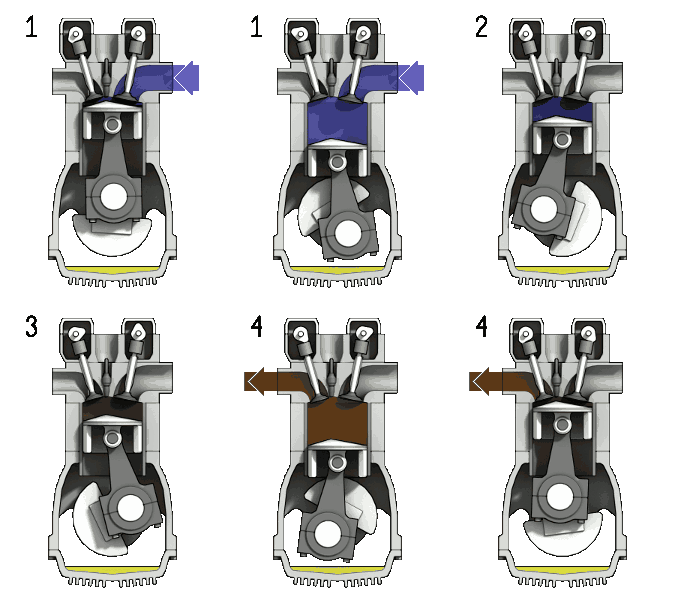
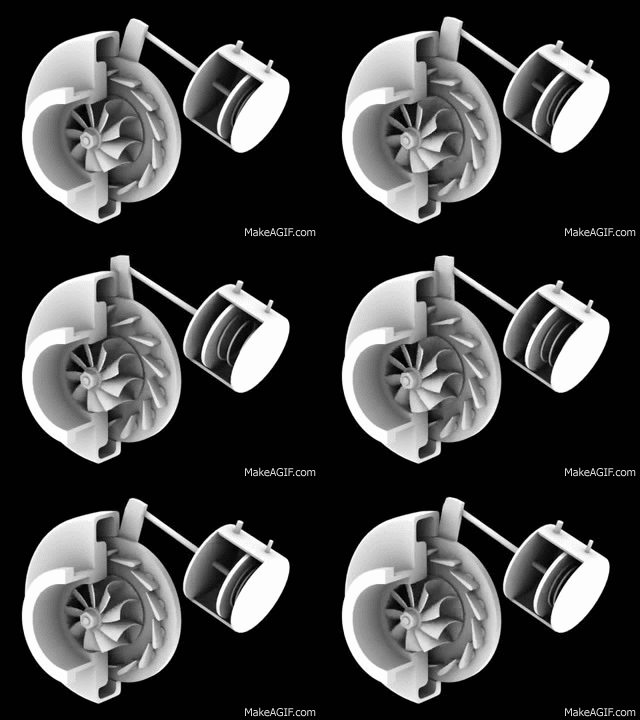
An industry analysis of where the efficiency actually comes from in a modern diesel engine. It starts from the four-stroke cycle and the parts that make it work, then walks through the technologies bolted around it. Downspeeding and dual-clutch transmissions, aerodynamic drag, regenerative braking on hybrids, variable geometry and electric turbochargers, piezoelectric injectors and high-pressure common rails, and hydrogen and water vapor injection.
The comparison at the end is the point. Turbocharging returns the most for the money, with variable geometry setups reported around 15% and two-stage setups around 17%, while high-pressure common rails buy up to 25% more power and torque and aftertreatment carries the emissions side. It is a survey of an old machine that keeps finding room to improve.
Two of the figures in the paper are animations, which a PDF cannot show. They are here instead.
Blurring the Line Between Real and Fake
A critical analysis asking whether people can actually tell AI-generated audio and video from real footage, and what it means for privacy if they cannot. I built a Qualtrics survey around the question and ran it past more than 150 participants, mixing questions about their confidence and concerns with three short clips they had to call real or fake.
The interesting result was not the opinions but the gap underneath them. Over three quarters of participants were confident they could spot generated media, and over 90% wanted AI content labeled by law, yet two of the clips were generated at different quality levels and the better one was confidently read as real by most of the room. Confidence and accuracy came apart, which is the part that makes deepfakes a privacy problem rather than a novelty.